
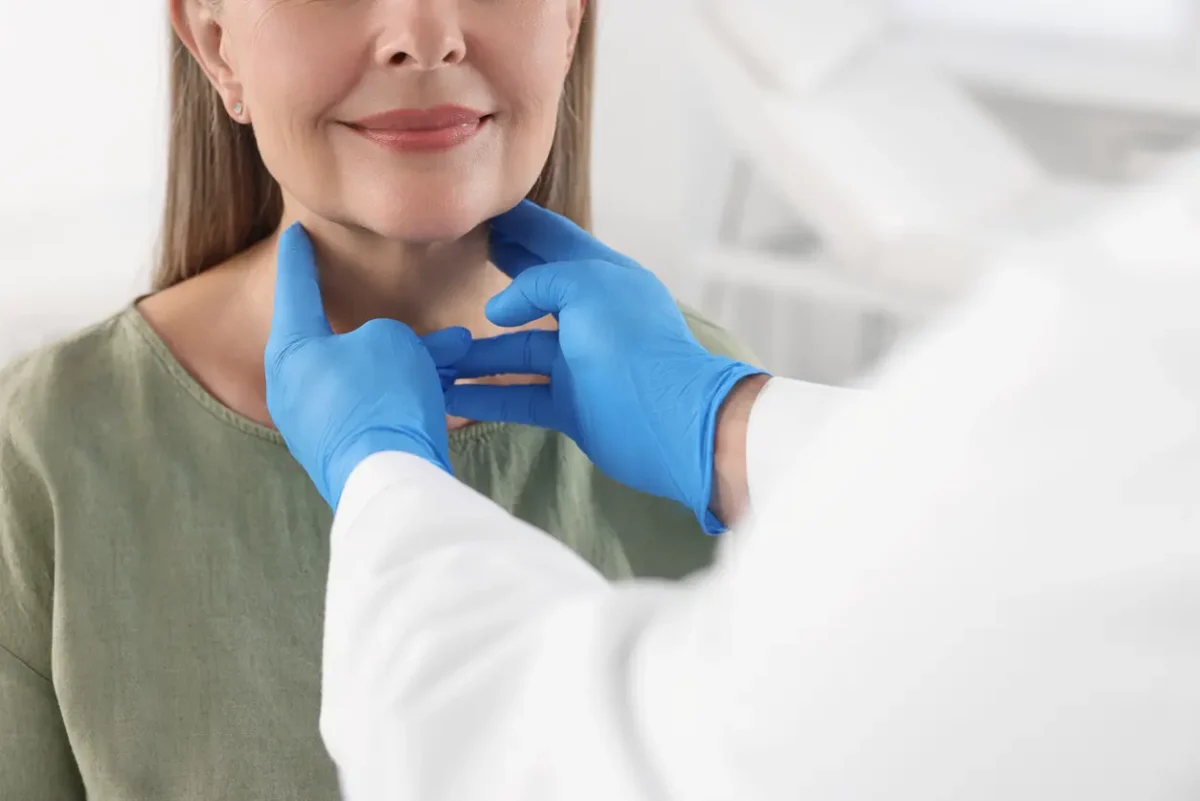
A facelift in Raleigh can address sagging skin and improve definition along the jawline and neck. However, loose skin isn’t always the only factor contributing to fullness beneath the jaw. In some patients, prominent submandibular glands can contribute to a less defined neck and jawline.
Understanding the role of the submandibular glands can help patients better understand why Dr. Adam M. Becker may recommend additional neck contouring during a facelift or neck lift.
What Are the Submandibular Glands?
The submandibular glands are salivary glands located beneath the lower jaw, one on each side. They produce saliva and are a normal part of the body’s anatomy.
Depending on their size and position, the glands can contribute to a rounded or full appearance beneath the jawline. Because they are located deeper than the skin and tissues typically addressed during a facelift or neck lift, tightening the skin and underlying tissues alone may not completely change the contour created by prominent glands.
What Is Submandibular Gland Reduction?
Submandibular gland reduction is a surgical procedure that removes a portion of the gland to reduce its visible prominence.
For some patients undergoing a facelift and neck lift, reducing the prominence of the submandibular glands may be considered when the glands contribute significantly to fullness beneath the jaw.
It is important to understand that submandibular gland reduction is not a routine part of every facelift. Fullness beneath the jaw can have several causes, including:
- Loose or excess skin
- Excess fat
- Neck muscle anatomy
- Prominent submandibular glands
- A combination of these factors
During a facelift consultation, Dr. Becker can evaluate your individual anatomy and determine which factors may be contributing to the appearance of your jawline and neck.
Who May Be a Candidate for Submandibular Gland Reduction?
Dr. Becker may discuss submandibular gland reduction with patients whose glands are visibly prominent and whose desired neck contour may not be achievable through skin tightening, muscle treatment or fat removal alone.
Your overall health and medical history are also important considerations. For example, existing dry mouth or a salivary gland condition may affect whether this procedure is appropriate.
The goal isn’t to add procedures unnecessarily. Instead, the goal is to develop an individualized facelift and neck lift plan based on the anatomy that is actually contributing to fullness or reduced definition.
What Are the Risks?
Submandibular gland reduction involves surgery in a delicate area of the neck. As with any surgical procedure, there are potential risks and complications.
Specific considerations include:
- Bleeding
- Fluid or saliva collection or leakage
- Temporary weakness of a nerve that helps move the lower lip
- Less commonly, lasting nerve weakness
- Changes in saliva production
Dr. Becker will discuss the potential risks and benefits with you and determine whether addressing the submandibular glands is appropriate for your individual goals.
How Can Submandibular Gland Reduction Affect a Facelift Result?
A facelift can improve sagging skin and underlying tissues, but achieving a well-defined jawline and neck sometimes requires looking beyond the skin.
For patients with prominent submandibular glands, addressing their contribution to fullness may be considered as part of a comprehensive facelift and neck lift approach.
The objective is not simply to make the neck tighter. It’s to create a natural-looking transition from the face to the jawline and neck that is appropriate for the patient’s anatomy.
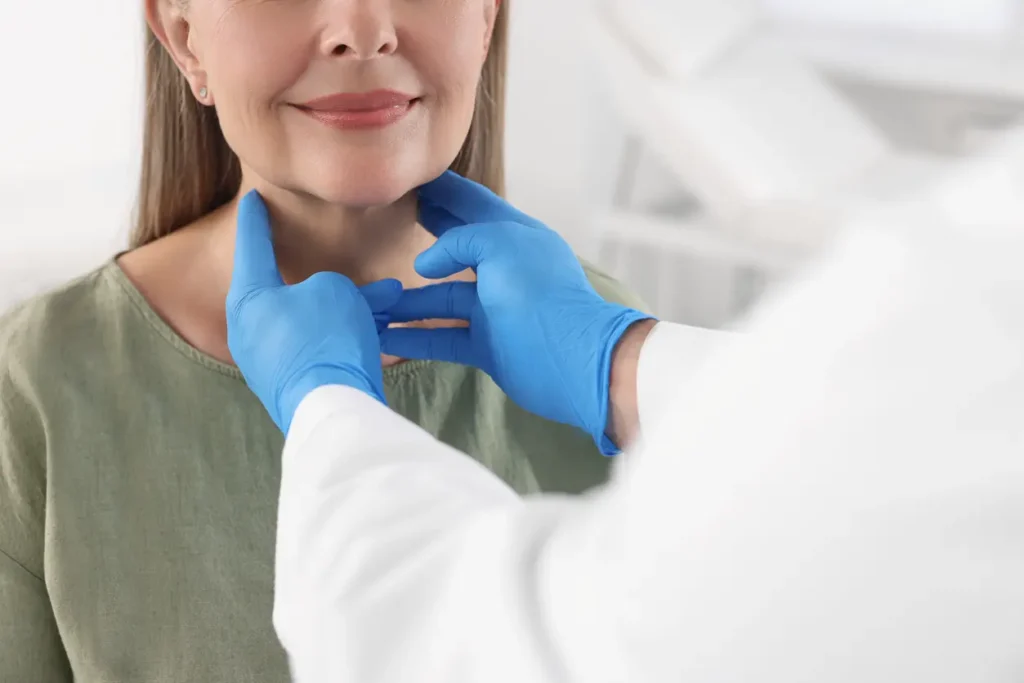
An Individualized Approach to Facelift Surgery in Raleigh
No two faces have exactly the same anatomy, which is why facelift surgery should be individualized to the patient rather than performed according to a one-size-fits-all approach.
During a consultation, Dr. Adam M. Becker of Triangle Facial Plastic Surgery can evaluate the different structures contributing to fullness beneath your jaw and discuss which options may be appropriate for your goals.
If you’re considering a facelift in Raleigh, NC, or are interested in improving definition along your jawline and neck, contact Triangle Facial Plastic Surgery to schedule a consultation.
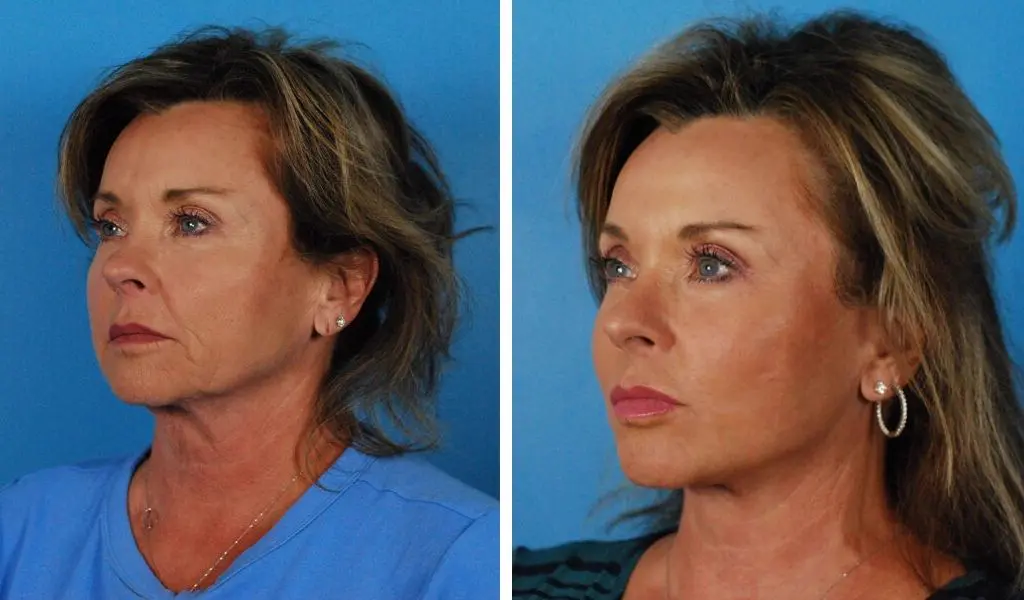


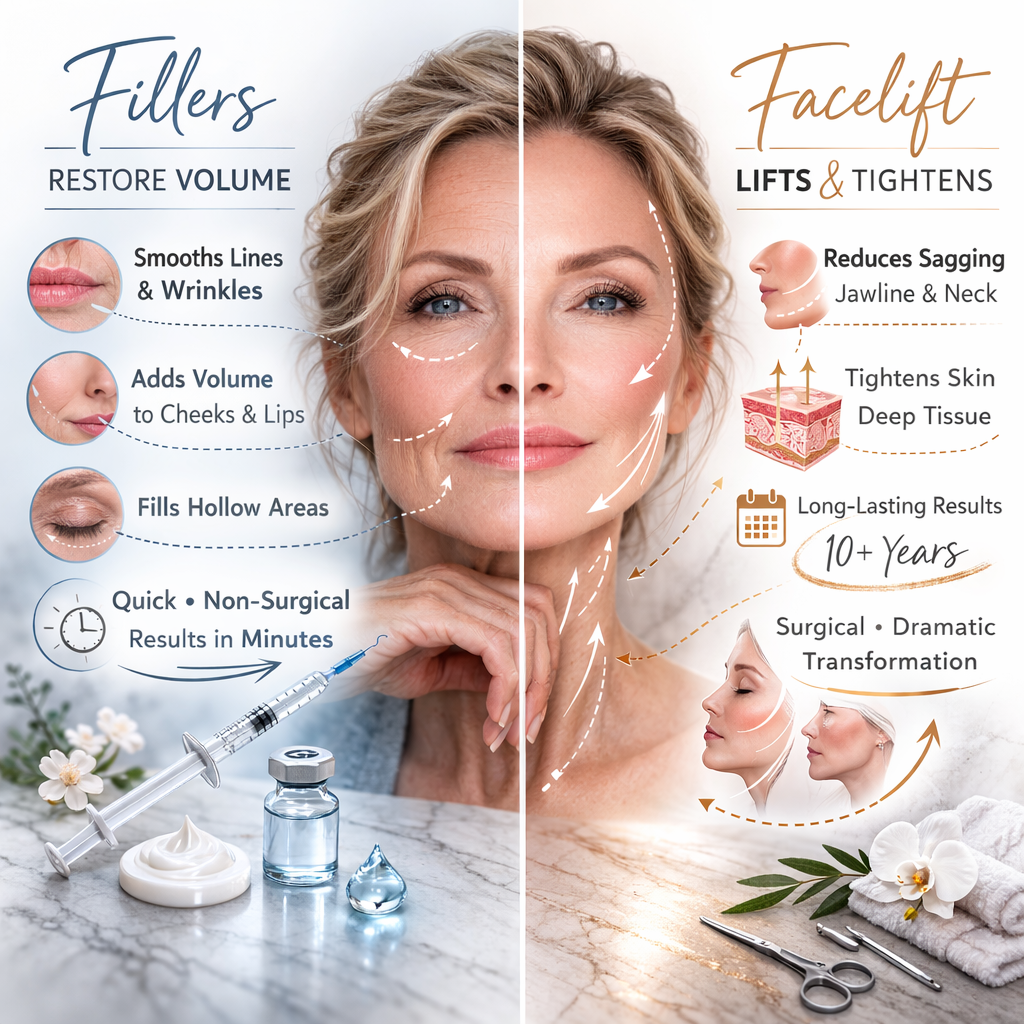

 Undergoing facial cosmetic surgery is a significant decision that requires careful consideration and meticulous planning. Of course, the procedures themselves require great attention to detail and thoughtful consideration and planning, but less often considered is the optimization during the preoperative and postoperative period. Since the late 1990’s, surgeons have been developing protocols for “enhanced recovery after surgery” (ERAS). Since that time, numerous studies have demonstrated benefits for hospital-based procedures in terms of improved recovery and earlier return to normal activities. Although less attention has been paid to outpatient surgery, recent studies looking at head and neck surgery patients have shown enhanced recovery after surgery. One of the important focuses in these protocols is nutrition and hydration status. While the primary goal of cosmetic surgery is to enhance one’s appearance, ensuring proper nutrition and hydration before and after the procedure is equally important, but often overlooked. Attention to hydration and perioperative nutrition has several benefits, and for these reasons, Dr. Adam Becker at Triangle Facial Plastic Surgery in Raleigh, NC encourages pre- and post-operative intravenous (IV) hydration therapy for his surgical patients to help optimize the outcome and promote a smoother recovery. In this blog post, Dr. Becker addresses the importance of prioritizing IV hydration therapy before and after facial cosmetic surgery.


 In the pursuit of aesthetic perfection, individuals have sought various methods to enhance their physical appearance. One such procedure that has gained popularity in recent years is

 We are thrilled to announce that Dr. Becker and Triangle Facial Plastic Surgery won Raleigh’s Best Cosmetic Surgeon for 2022! Thank you to all our clients who voted this year; we are infinitely grateful for your business and your showing of support. You can see Triangle Facial Plastic Surgery on pages 26 and 31 of
 Sagging skin on the face and neck is a common concern for many of us as we age. Skin loses its elasticity, and over time, facial drooping, jowling, double chin, and/or “turkey wattle” may occur. Factors such as gravity, sun exposure, genetics, weight fluctuations, and lifestyle all play a role in the advancement of these problems, and a
 As we age, our skin begins to lose elasticity, and lines, wrinkles and sagging skin may begin to appear. If you’re thinking about your options for improving skin laxity on your face and body without having to undergo surgery, minimally invasive anti-aging treatments provided by Triangle Facial Plastic Surgery in Raleigh may be just what you are looking for! Read on to learn more about Morpheus8.