

Glowing wedding day skin is on every bride’s wish list, and it’s absolutely attainable with proper planning and guidance. Our team of highly experienced anti-aging experts at Triangle Facial Plastic Surgery in Raleigh is here to share some tips to boost and maximize your glow so you can feel your very best on your special day!
- If you haven’t already established a consistent daily skincare routine, NOW is the time! Your daily skincare routine should include:
- Gentle cleanser in the morning, evening and after exercise.
- Moisturizer application to keep your skin hydrated and smooth.
- Vitamin C + retinol products for anti-aging. Vitamin C brightens the skin, evens skin tone and protects the skin from environmental stressors that can come during the day. Retinol (aka Vitamin A) firms and tightens the skin. Both products can be used together, but they should not be applied at the same time – apply Vitamin C in the morning and Retinol in the evening.
- Sunscreen application to your face and neck (YES, even if it’s cloudy out) and reapply after prolonged periods out in the sun.
- Exfoliate with a gentle exfoliation product 1-3 times each week (depending on your skin type). ZO SKIN HEALTH® Exfoliating Polish is an amazing, gentle polish that delivers an insta-glow and amazingly smooth skin!
- Consider additional skincare products to address specific concerns, such as acne, redness, spots and pigmentation. The best way to determine the best products to improve your skin condition is to consult with a licensed medical esthetician.
- Hydrate from within! You should consume plenty of water each day. A good rule of thumb is to drink 0.5-1.0 ounces of water for each pound you weigh.
- Schedule monthly facials to refresh and hydrate your skin, unclog pores, and improve the appearance of specific skin concerns. HydraFacial gives you glowing, firm and more youthful looking skin in just 30 minutes! And there are a variety of booster options to address your specific concerns, whether it be hyperpigmentation, acne, redness, wrinkles, etc.
- Erase forehead wrinkles, glabellar lines (aka the dreaded 11’s) and crows feet around the eyes with a neurotoxin treatment 1-2 months before the big day.
- If you’re looking to soften & contour your facial profile, and add volume to the areas including the cheeks, chin, jawline and lips, you may consider non-surgical filler treatments. Filler treatments should be done several months in advance to ensure satisfactory results. Definitely plan ahead!
- If you are looking for more dramatic results to improve the appearance of aging and problematic skin vs. skincare products and facials alone, you may consider laser and IPL (intense pulse light) treatments. They are more intensive treatments, and when combined, they are even MORE powerful! These treatments should also be scheduled several months in advance to make time for multiple treatments if needed to achieve the desired results.
- CoolPeel CO2 laser treatments deliver a total skin rejuvenation with little downtime. CoolPeel treatments dramatically reduce fine lines and wrinkles, hyperpigmentation, acne scars, minimize pore size and improve dullness and skin texture in 1-3 appointments (typically scheduled a month apart).
- BBL Hero treatments penetrate into the deeper layers of skin and deliver remarkably clear and refreshed skin. BBL Hero is great for addressing hyperpigmentation, uneven skin tone, acne, inflammation and redness. It also helps to remove unwanted dark colored hair.
Do you want to learn more about specific products and treatments that are right for YOUR skin and your goals? Let’s talk! Contact us to schedule your complimentary skincare consultation with Yelena, our licensed medical esthetician, and she will assess your skin, discuss your goals and timeline to create a customized treatment plan for you!

 “Droopy nose” (aka nasal tip ptosis) occurs when the tip of the nose hooks downward or is elongated, rather than pointing forward and elevated. Dr. Adam Becker, award-winning facial plastic surgeon and rhinoplasty expert in Raleigh, NC, often treats patients with droopy nose to correct a droopy nasal tip and yield a beautiful, balanced nasal profile. Dr. Becker is here to answer the most commonly asked questions about a droopy nose.

 September is National Skincare Awareness month. Summer is behind us, and fall officially begins this week. Now is a great time to focus on a refresh with your skincare routine! Here are some skincare tips to improve the appearance of your skin and help you establish and maintain a healthy glow all season and beyond:
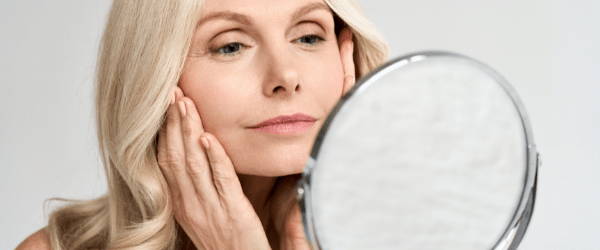 Sagging skin on the face and neck is a common concern for many of us as we age. Skin loses its elasticity, and over time, facial drooping, jowling, double chin, and/or “turkey wattle” may occur. Factors such as gravity, sun exposure, genetics, weight fluctuations, and lifestyle all play a role in the advancement of these problems, and a
  If you’re looking to improve the overall appearance of your lips, Dr. Becker can give you beautiful, natural-looking results with his
  During these hot and humid summer days, facial skin tends to be more oily, trapping pollutants and dead skin cells. Follow these five summer skincare do’s to help reduce your chances of skin conditions such as discoloration, breakouts and redness and maintain a youthful complexion! Individual results may vary.
 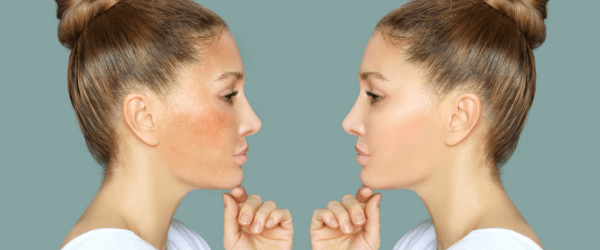 Are you one of the many people wondering why darkened patches of skin on your face showed up out of the blue? Melasma is a facial skin condition that’s characterized by brown or blue-gray patches or freckle-like spots that appear on the forehead, cheeks, chin, upper lip and/or nose. It is more common in females and sometimes referred to as the “mask of pregnancy” because it can be triggered by hormones during pregnancy. Sunlight exposure plays a major role in triggering the appearance of melasma, along with birth control pills, HCG diets and hormone replacement.